Rules and who to ring
What council handles on a rural block
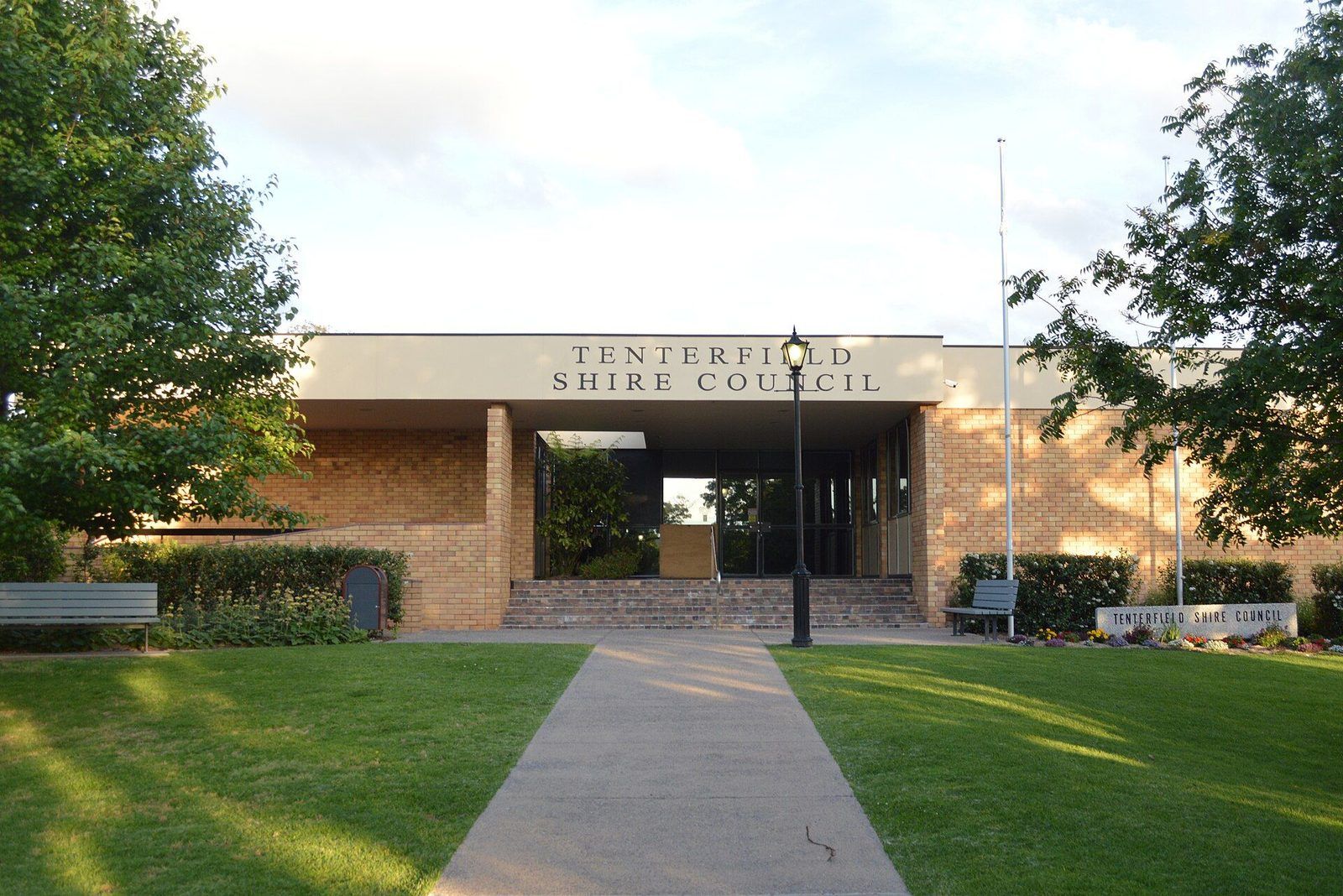
On a rural block, council is the call for weeds, building and development approvals, septic systems, local roads, rural address numbers and stray stock. It is not the call for stock permits, pest animals, clearing or water licences. Knowing which office handles what saves a lot of time on the phone.
Weeds
Under the Biosecurity Act, local councils are the local control authorities for weeds. The NSW Government weeds page says councils enforce the Act as it relates to weeds, inspect regularly for priority weeds, and are the first contact for weed matters on your property. For advice, it says to contact the council weeds officer.
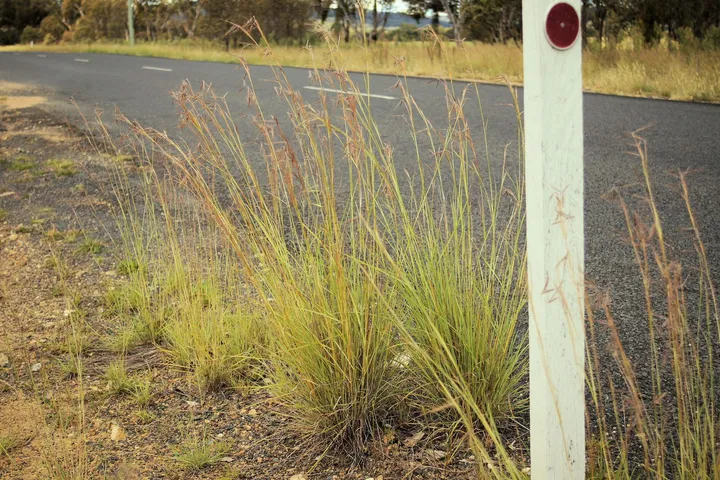
Tenterfield Shire Council publishes a weed management schedule for the year, built around regional priority weeds and the pathways weeds travel along. It covers inspections of high-risk roadsides, waterways, parks, quarries and saleyards, and of private properties near borders and transport corridors. Serrated tussock, African boxthorn and blackberry are given as examples of regional priority weeds, and Coolatai grass as an emerging one. The schedule puts education campaigns in spring, which is a good time to ask for help identifying something you are not sure about.
If a weeds officer asks to inspect your place, that is this role at work. It is also the person to ring if weeds are coming at you from a roadside.
Building, sheds and dwellings
Council’s page on lodging a development application says an application applies if you plan to build, renovate, change the use of a building, demolish, subdivide, or place a structure or building on your land. Applications are lodged online through the NSW Planning Portal. A construction certificate must be obtained before building starts.
The same page says some development does not need council approval, and points to the state policy on exempt and complying development. Whether a farm shed falls inside that policy depends on its details and the land it sits on. Do not assume. Ask the planning staff before ordering a kit or pouring a slab.
Two searches on council’s building and planning information page are worth knowing about before buying or building on rural land:
- A dwelling permissibility search, used mostly for rural parcels, which tells you whether a house can be built on the land with council consent.
- A planning certificate, which sets out the zoning and hazards such as flooding and bushfire that apply to the land.
The page also notes that planning and building staff are often out on inspections, so higher-level questions need an appointment.
Dams
A new dam can involve two sets of rules. The water rules are a state matter. Whether a dam also needs development consent is a council matter. The state water department’s harvestable rights questions and answers say this varies by council area under the Local Environmental Plan, and that some dams may be exempt development. Ask council before the dozer arrives.
Septic systems
Where there is no town sewer, a house relies on an on-site system. Council’s on-site sewage management page says council is the regulator for every such system in the shire, that every system needs a current approval to operate issued by council, and that environmental health officers inspect systems on a routine program. If you have bought a place, ask council whether there is a current approval for the system.
Roads, access and rural addresses
Council looks after local roads. Its page on reporting an unsafe road says problems on local roads go to council by phone, by email with photos, or through its incident form. The Bruxner Highway and the New England Highway are state roads, and reports go to Transport for NSW.
Work in the road reserve is also council’s business. There is an application to carry out works within a road reserve under the Roads Act 1993. If you are planning a new entrance, a crossing or a pipe in the reserve of a council road, ask council whether it applies before starting.
Council also takes applications for a rural address number or a replacement sign. If your gate has no number, or the sign has gone, this is the form.
Stray stock and the rest
Council’s page on impounded and stray animals says to contact council if you find livestock roaming free or in a dangerous place, and to ring the ranger if you have lost stock. Impounded livestock are held for a set period and then sold at public auction.
Council rates are separate from Local Land Services rates. The NSW Government page for new rural property owners says council rates pay for local services such as road maintenance, planning, waste and public health, and suggests asking council about current and possible land uses when you buy.
For Property Identification Codes, stock permits, pest animals and clearing, ring Local Land Services. For anything on the list above, start with council’s customer service line and ask for the section by name.
General information only. Check what suits your own country and conditions.
Sources
- Tenterfield Shire Council: Weed Control
- NSW Government: Control invasive weeds in NSW
- Tenterfield Shire Council: Lodge a Development Application
- Tenterfield Shire Council: Building and planning information
- Tenterfield Shire Council: Onsite Sewerage Management Program
- Tenterfield Shire Council: How to Report an Unsafe Road
- Tenterfield Shire Council: Application to carry out works within a road reserve
- Tenterfield Shire Council: Application for a rural address number or replacement sign
- Tenterfield Shire Council: Impounded and stray animals
- NSW Department of Climate Change, Energy, the Environment and Water: Frequently asked questions about harvestable rights
- NSW Government: New rural property owners