Horses
Horses, PICs and biosecurity
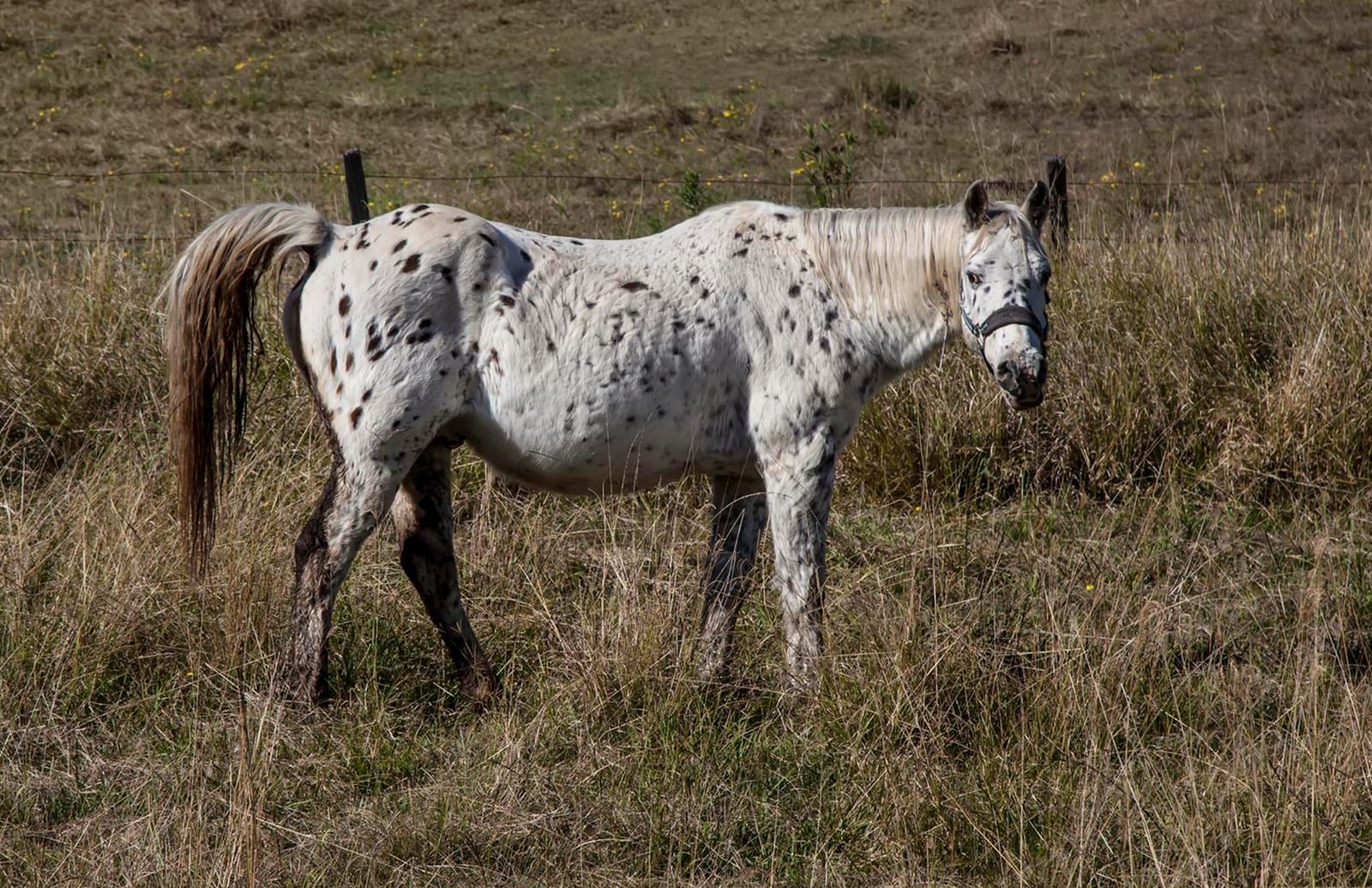
One horse in a house paddock is enough to need a Property Identification Code in NSW. On top of the PIC, the state expects horse owners to carry a movement form on most float trips, keep new arrivals apart for a fortnight, and know what to do if a horse goes down suddenly with something that could be Hendra.
The PIC
Local Land Services says any property with any number of livestock on it must have a PIC, whether the animals are being traded, agisted or kept as pets. Horses and donkeys are on the list alongside cattle, sheep, goats, pigs, deer and alpacas.
The NSW Department of Primary Industries and Regional Development spells it out for horses on its horse owners page: every property on which a horse is kept, even on agistment or temporarily, must have a PIC. The code is an eight-character identifier for the land, held in a Local Land Services register with the property’s location and manager. Its job is tracing. If there is a disease outbreak, a chemical residue problem or a fire or flood, the register tells the authorities where the horses are.
Many horses carry no individual identification. DPIRD notes that breed and sport bodies have their own rules, such as microchips or freeze brands, but nothing requires a horse outside those bodies to be identified. For those horses the PIC is the only record of where they live.
If you agist a horse, check the property has a PIC. If you take horses in, they are on yours. With the summer fire and storm months ahead, DPIRD’s advice on horses in emergencies starts in the same place: make sure the PIC details are current. Applications go through Local Land Services.
Paper for the float
DPIRD says a Transported Stock Statement is required for horses travelling by vehicle within NSW, including horses coming into NSW, and that it must be kept for two years after the trip. The NSW Government’s Transported Stock Statements page has a horse form that can be downloaded, printed and photocopied. It has to be filled in for the trip, dated, signed and carried, and police can ask to see it.
The same page lists trips that need one, including going to the farrier, moving to a new grazing block, a casual ride away from home, a riding lesson or a trail ride. A there-and-back trip on the one day needs one form, and an overnight stay means another.
It also lists the exemptions. Among them are trips to or from a show, gymkhana, pony club meeting or similar event run by an incorporated club or association, working horses being moved to or from work, and a trip to the vet.
New arrivals and outings
DPIRD says disease most often gets onto a horse property through new arrivals or contact with infected horses elsewhere. Its advice:
- Keep a new horse apart from the others for at least 14 days and check it daily for signs of illness.
- Get a pre-purchase vet check, and ask the vet about testing for drench-resistant worms before the horse goes onto your pasture.
- At events, use your own feed bins, buckets, tack and grooming gear, and stay away from shared troughs.
- Stop nose-to-nose contact over boundary fences with a double fence or a planted buffer.
- Keep movement records. A diary note of where each horse went and when makes tracing quick.
This district sits on the Queensland border, so cattle tick is part of the picture. DPIRD says horses can carry cattle ticks, that there are infested zones in Queensland, and that moving horses into NSW from those zones is under strict controls, usually including treatment before entry. Check the requirements before bringing a horse south.
Hendra, briefly
Hendra virus is carried by flying foxes and occasionally spills over to horses through feed or water contaminated by the bats. It can then pass from a sick horse to people, and DPIRD says it can be deadly to both. More than 70 per cent of horses known to have been infected have died.
DPIRD reports that most cases have been in coastal areas, from far north Queensland down to about Newcastle, and mostly between May and August. Tenterfield is not on the coast, but horses from here travel there. The early signs are vague: fever, restlessness and colic-like signs, then breathing trouble or staggering.
What DPIRD asks of owners:
- Talk to your vet about vaccination, which it describes as the most effective way to manage the disease.
- Do not feed or water horses under trees where flying foxes feed or roost, and cover feed and water containers.
- If a horse is suddenly and seriously ill, keep people and pets away from it and ring your vet straight away. If the vet cannot be reached, ring a Local Land Services district vet or the Emergency Animal Disease Hotline listed on the DPIRD page.
Hendra is notifiable, and the vet does the notifying. Your part is to ring early and stay back from the horse.
General information only. Check what suits your own country and conditions.