Pasture and feed
Native pastures on the tablelands: what they offer
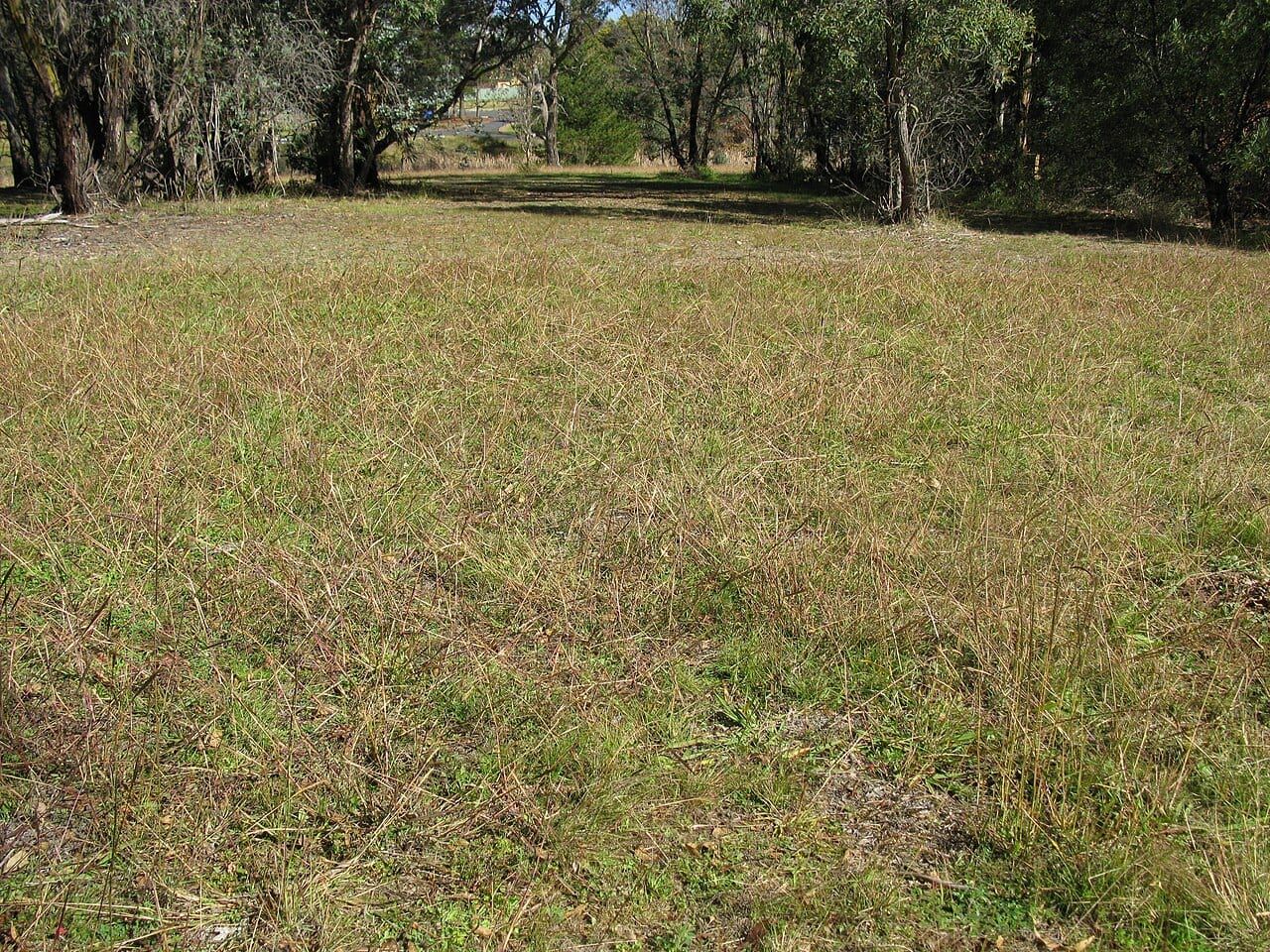
A native pasture carries fewer stock than a sown and fertilised one, but it asks for less, holds on through dry spells and costs nothing to establish because it is already there. Kept in good order it is a sound base for a grazing block. Most of the keeping is in how it is grazed.
What is in the paddock
NSW DPIRD describes native pastures as grazing country dominated by native grasses, usually with other native herbs and some introduced clovers and grasses mixed in. A healthy one can hold up to 100 plant species. The perennial grasses make up most of the bulk.
The grasses fall into two groups, and the difference matters in a district with hard frosts. DPIRD explains that warm-season grasses, called C4 grasses, grow in the warm months, produce more bulk, tolerate frost poorly and are lower in feed quality. Cool-season or yearlong green grasses, the C3 group, grow at lower temperatures, handle frost better and are higher in quality, but produce less.
Red grass and microlaena are the two native pasture types listed for the Northern Tablelands in the PROGRAZE growth tables. The grasses DPIRD names include:
- Red grass. A short warm-season grass that stands up to grazing.
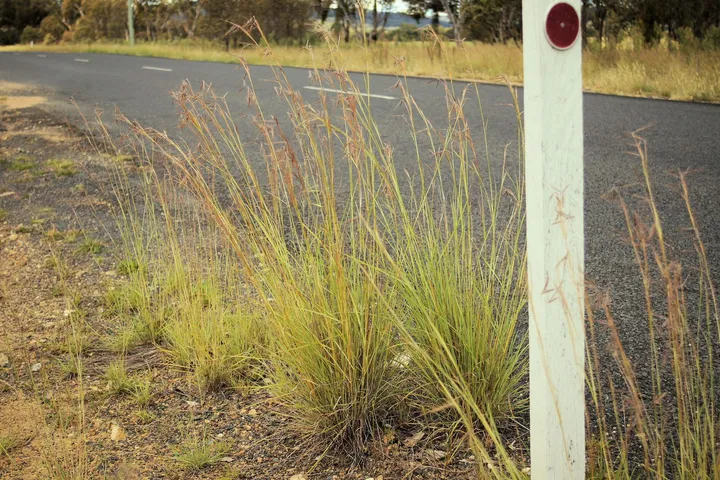
- Kangaroo grass. A tall tufted warm-season grass, favoured by light grazing.
- Wire grass. A warm-season grass that stock avoid.
- Weeping grass, also called microlaena. Yearlong green, favoured by fertility and often thicker under trees and on southerly slopes.
- Wallaby grass. Yearlong green, also favoured where fertility has been lifted.
Most paddocks hold a mix, sorted by soil, slope, aspect and tree cover. DPIRD sees that as an advantage: with both groups present, something is growing in more months of the year.
What they offer
DPIRD’s list of values is practical. Native pastures are well adapted to a variable climate, need few inputs, shelter stock, provide drought feed, and carry fewer stock in return for that.
How many fewer is shown in DPIRD’s estimated carrying capacities, drawn from a survey of district agronomists. For the Northern Tablelands the long-term estimate for natural pasture with no seed or fertiliser is 1.8 to 4.7 dry sheep equivalents per hectare, averaging 3. Natural pasture with seed and fertiliser added averages about 6, and a sown perennial grass and clover pasture with fertiliser about 10. DPIRD calls these a basic guide for normal seasons only.
Where they fall short
The weakness is winter and feed quality. The PROGRAZE figures published by Meat & Livestock Australia for the Northern Tablelands estimate that a red grass dominant pasture grows about 27 kg of dry matter per hectare a day in October and over 30 kg through summer, then about 1 kg a day from June to August. Microlaena pasture does better in the cold, at about 3 kg a day in midwinter, and reaches about 33 kg in October.
The same source warns that red grass has a low proportion of leaf to stem and matures quickly, so it may not meet production targets for stock. Country that is mostly red grass grows feed in summer and very little that is useful in winter.
Grazing that keeps them
DPIRD’s management advice starts with one principle: match stock numbers to the feed available. It rates that as more important than the grazing system used. Overstocking is one of the major causes of native pasture decline. A perennial grass grazed short has to regrow from its energy reserves. Graze it short again before it recovers and the plant weakens or dies.
From there the points are:
- Rest matters, and the timing of rest matters more than its length. To favour a grass, rest it when that grass is flowering and setting seed. The warm-season grasses do their growing in the warm months, so for those the rests fall between now and autumn.
- Let it seed now and then. NSW Local Land Services notes that allowing pasture to set seed periodically keeps a seedbed of the desirable species in the ground for drier years.
- Rest after stress. Plants coming out of drought, fire, heavy grazing or winter dormancy are running on reserves and need time.
- Do not lock it up for good either. DPIRD notes that ungrazed or lightly stocked perennial grasses go rank and unpalatable.
- Heavy yearlong grazing combined with raised fertility is the pattern DPIRD says degrades native pasture to annual grasses.
Fertiliser and clover
Adding clover and fertiliser can lift carrying capacity a good deal, and DPIRD says the gain in winter feed is greatest where warm-season grasses dominate. It also comes with cautions. Some native species decline as fertility rises, biodiversity is lost, and if the change is rushed or badly managed, annual grasses and weeds take over and perennial ground cover goes. DPIRD’s advice is to make changes gradually over many years.
Before spending on either, get the grasses in the paddock identified. Local Land Services or an agronomist can help with that, and it decides everything that follows.
General information only. Check what suits your own country and conditions.
Sources
- NSW DPIRD: Native pastures
- NSW DPIRD: What are C3 and C4 native grass?
- NSW DPIRD: Managing native pastures
- Meat & Livestock Australia, More Beef from Pastures: New South Wales feed year growth rate patterns
- NSW DPIRD: Using DSEs and carrying capacities to compare sheep enterprises
- NSW Local Land Services: Native pastures