Rules and who to ring
Travelling stock reserves and stock on roads
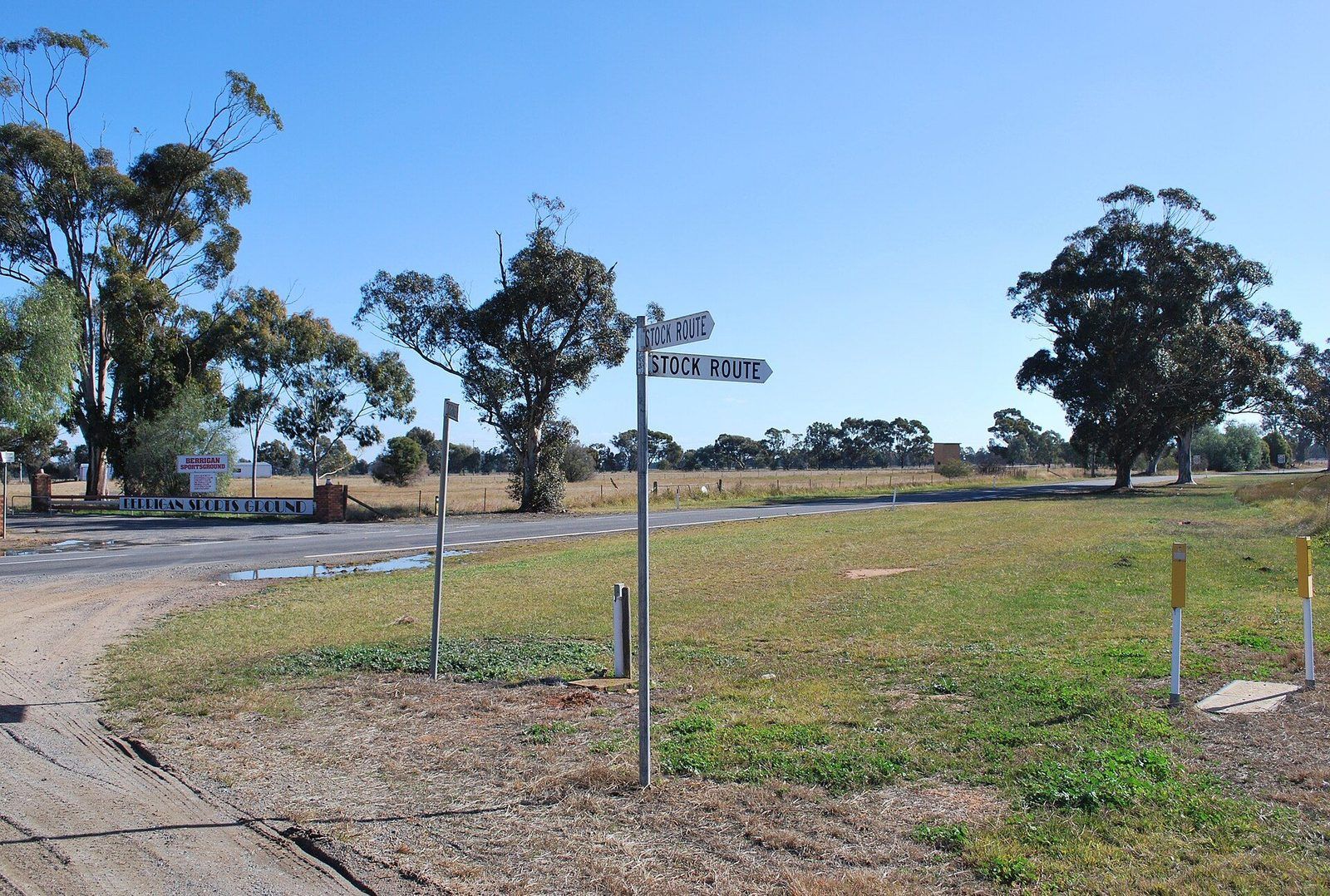
To walk or graze stock on a travelling stock reserve or along a public road in NSW you generally need a stock permit from Local Land Services, arranged before the stock leave the gate. There are a few everyday exceptions, such as taking stock straight across a road between two parts of the same place in daylight. Either way, warning signs go out whenever stock are on or near a road.
What a travelling stock reserve is
Travelling stock reserves are parcels of Crown land reserved for livestock to move, rest or graze. Stock routes are the corridors that join the watering and camping reserves together. Local Land Services manages many of the reserves and issues the permits to use them.
The reserves are still used for travelling stock, for transport to market and as emergency refuge and fodder.
Anyone can use a reserve in eastern and central NSW for quiet recreation between sunrise and sunset. The page on using travelling stock reserves lists bushwalking, horse riding, picnicking, fishing and bird watching as allowed without a permit. Camping, collecting firewood, removing timber, riding motorbikes, four-wheel driving, hunting and dumping rubbish are not allowed, and fines apply.
The permits for stock
The permits page sets out the stock permits. In short:
- Short term grazing permit. Lets a landholder graze stock on a reserve, typically for under 90 days. Travelling stock must still be let through.
- Long term grazing permit. Covers part of a reserve for a year or more and is allocated by tender.
- Roadside grazing permit. Covers a set section of shire road, often in drought or to reduce a fire hazard. It usually goes to the adjoining landholder, and stock go back to the property at night. Some regions require council permission first.
- Routine stock movement permit. Issued annually for regular movements between two or more properties owned or occupied by the same person. It does not allow grazing along the way.
- Travelling stock permit. For droving from the owner’s property to somewhere the owner does not own, such as to saleyards. It comes in walking and slow travel forms, which differ in the distance to be covered each day.
The page says to apply at least two working days before the permit is needed. Local Land Services will also want to see that the stock meet National Livestock Identification System requirements, that the property has a Property Identification Code, and that you hold current insurance for the activity. The road movement page gives the public liability cover expected. Check the figure there.
A long term grazing permit for a reserve does not cover the road beside it. A separate permit is needed for the road.
When a road permit is not needed
The road movement page lists exceptions where no permit is needed, provided the stock keep travelling at the required rate. They include:
- horses ridden or led in daylight
- stock led or drawn by a vehicle in daylight
- moving stock in daylight between parts of the same holding that are separated only by a public road
- moving stock along a road in an emergency
- moving dairy cows between adjoining parts of a holding at night, by the shortest practical distance.
So putting cows straight across the road to the other paddock in daylight is covered. Walking them down the road to a leased block is a different matter. If you do that regularly, ask about a routine stock movement permit.
Signs and control
Permit or no permit, the sign rules apply. The road movement page says:
- A temporary stock zone is set up by displaying a temporary stock zone sign where vehicles enter it. Drivers must give way to stock in the zone, and stock cannot be left unattended.
- Signs must be black and yellow, in good condition, of at least the size given on the page, and visible to drivers coming from either direction.
- For walking or grazing stock, the sign has to be no more than five kilometres and no less than 200 metres from where a vehicle would meet the stock.
- The sign comes down when stock are no longer on or near the road.
Approved signs are sold through Local Land Services offices.
Permit conditions usually add that stock stay on the route named in the permit, are under control at all times, walk only between sunrise and sunset, and are held at night in a secure paddock or an approved break. The user requirements add that permits cannot be transferred and that stock must carry approved identification tags.
Stock left unattended in a public place is a separate problem. The road movement page says landholders can be fined under the Public Spaces (Unattended Property) Act 2021, and stock can be seized.
Who to ring
Local Land Services issues every one of these permits. Ring the Tenterfield office or use the contact page well before you need to move, say where the stock are going from and to, and ask which permit fits. If the plan is to graze a roadside to knock down feed before the fire season, ask at the same time whether council has to agree first.
General information only. Check what suits your own country and conditions.