The district
Paddock trees and shelter belts
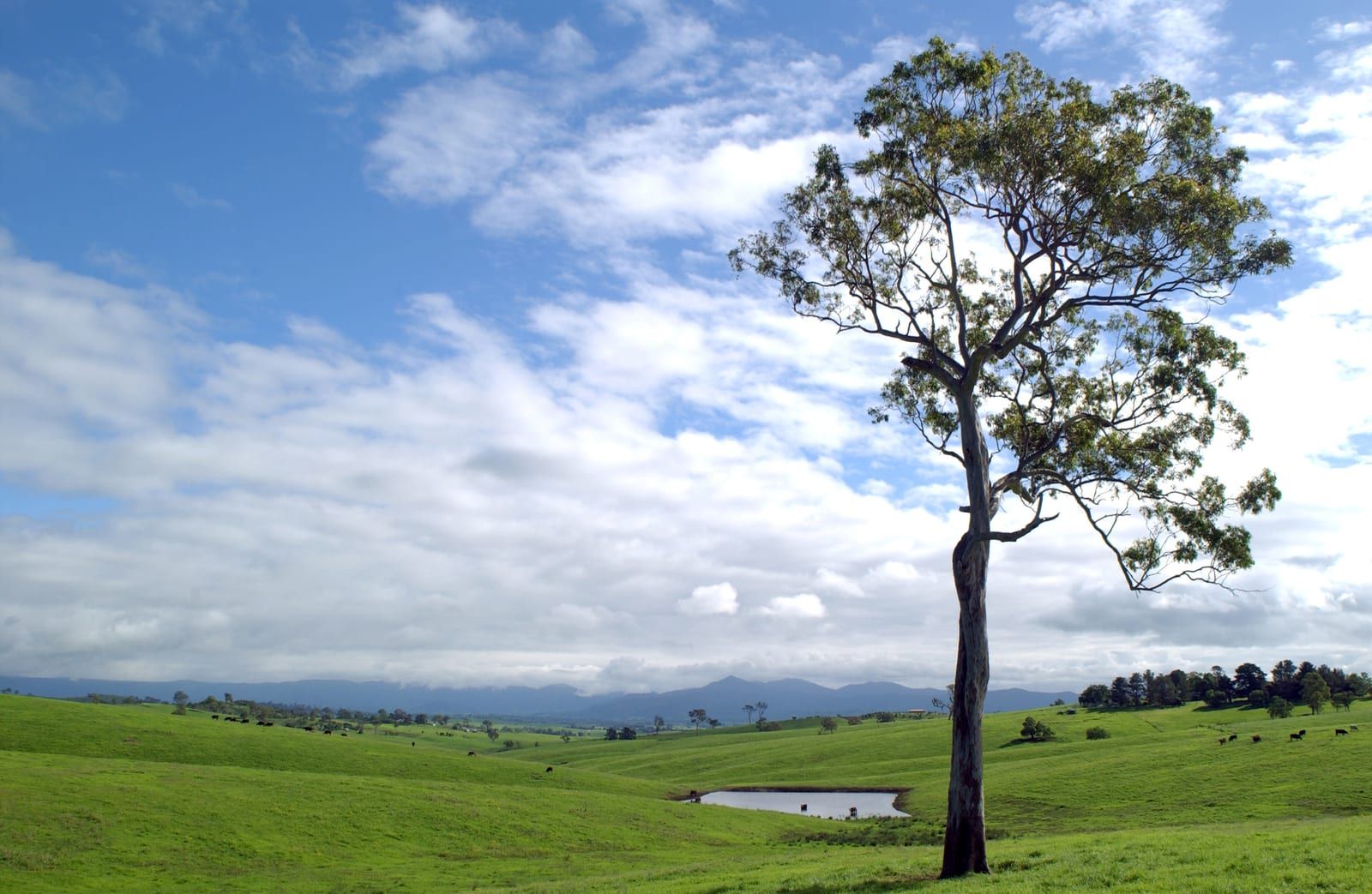
A big old paddock tree is working infrastructure. It gives shade in summer and shelter in winter, and it cannot be replaced in a working lifetime. Shelter belts do a similar job across a wider area if they are laid out properly. With the hot months close, November is a good time to look at how much shade each paddock really has.
What the trees do
The NSW Government’s guide to protecting scattered paddock trees lists the farm benefits:
- Stock. Shade and shelter reduce heat and cold stress, which helps animals hold their body temperature and use their feed more efficiently.
- Pasture. Trees shelter pasture and crops from wind and temperature extremes.
- Soil. Leaf litter and manure under trees break down and return nutrients, and standing vegetation reduces wind and water erosion.
- Regeneration. Mature trees are the seed source for the next ones.
This district needs both kinds of protection. The Bureau of Meteorology’s long-term averages for Tenterfield show about 22 days a year reaching 30 degrees or more, most of them between November and February, and about 46 mornings a year at zero or below.
The guide gives a figure to check against. A healthy paddock has more than 2 square metres of summer shade per animal, and more than 4 is the better target. Walk each paddock in the middle of a clear day, pace out the shade and divide by the mob.
Why the old ones are going
The same guide says most scattered paddock trees are very old and that young trees are often not coming through to replace them. Hollows take at least 60 to 80 years to form, and longer in some species. NSW Environment and Heritage warns that many scattered trees across south-eastern Australia could be gone within decades unless the pressures on them ease.
Most of those pressures are ordinary farm practice:
- Stock camping under the tree, compacting the soil, ringbarking the trunk and eating every seedling.
- Cultivation close in, which damages surface roots.
- Fertiliser in the root zone, which changes the soil and can leave the tree more open to insects and drought.
- Herbicide drift.
- Burning logs and stumps at the base.
- Clearing for a fence line or wider machinery.
The first sign of trouble is dieback: the tips of twigs and branches die, then the tree drops leaf, then it throws shoots from the trunk and limbs. A tree showing those signs is under stress.
Looking after what you have
The two guides agree on what helps:
- Put the paddock trees on the farm plan, as you would any other asset.
- Fence off selected trees from stock and from routine paddock work. For natural regeneration, fence an area about twice the size of the canopy and keep the fence up until the seedlings are at least 2 metres tall.
- Wrap wire netting around trunks that stock are chewing or rubbing.
- Keep fertiliser and cultivation away from the root zone, and watch spray drift.
- Do not burn fallen timber under the tree. If it is in the way, shift it to a patch of bush or a creek line.
- Leave dead trees standing where it is safe. They still shelter wildlife.
- Plant new shade trees away from the old ones, so stock pressure is spread and not doubled.
That last point is the succession plan the guide asks for. The old trees will not last for ever, and their replacements need to be in the ground well before they go.
Laying out a shelter belt
The NSW Government’s guide to planting for windbreaks says a well-placed belt can cut wind speed by up to 80 per cent, which reduces moisture loss from pasture and stress on stock. The layout decides whether it works.
- Reach. A belt protects ground out to about 20 times its height and works best within 10 times its height. A 15 metre belt covers up to 300 metres and does its best work in the first 150.
- Direction. Plant at right angles to the wind that causes the trouble. A belt running parallel to the wind gives no protection.
- Density. Aim for about 40 per cent porosity, so the belt lets some wind through while still slowing it.
- No gaps. Wind funnels through holes and around short ends. Replant losses in the next planting season.
- Rows. Shrubs on the outside rows give cover down to ground level. Trees go in the centre rows, away from the fences.
- Width. Allow at least 25 metres for a four-row belt, with about 4 metres between the fence and the first row for access.
One caution for cold country. The guide suggests planting along a contour or curve only where frost risk is low. In frosty country, ask about cold air drainage before settling the line of a belt across a slope.
Where to start
Count the shade in each paddock, pick the trees worth fencing, and choose one line where a belt would shelter the most ground. Local Land Services can advise on species and layout for your part of the tablelands.
General information only. Check what suits your own country and conditions.